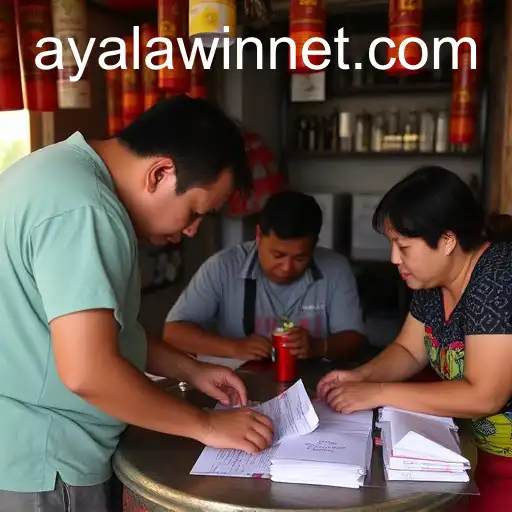
Understanding Jueteng and the Role of Ayalawin in the Game
Jueteng is a popular numbers game rooted deeply in the cultural and social fabric of the Philippines. Despite being considered illegal, this traditional form of gambling continues to thrive across various regions of the country, signifying its resilience and the complex web of socio-economic factors intertwining with its existence.
The Historical Context of Jueteng
Tracing back to the late 19th century, Jueteng has evolved significantly over time. The game likely originated from the Spanish colonial period and has since become ingrained in the local lifestyle. Its name, derived from the Spanish word "hueco" meaning space or gap, reflects the basic premise of the game: predicting a number within a grid of possibilities.
In essence, Jueteng involves betting on a combination of two numbers ranging from 1 to 37. Players place their bets with cobradores (bet collectors), who pass the betting slips to the game operators. Results are drawn daily, and successful bettors receive their winnings through the same network of collectors, which also maintains the secrecy and underground nature of this activity.
Jueteng as a Social Phenomenon
Understanding Jueteng goes beyond recognizing it as mere gambling. It holds a unique place in Filipino society, often acting as a community activity. The game provides a sense of hope for many, as people bet small amounts in anticipation of a windfall that could change their financial standing overnight. Despite its legality concerns, it remains a continued practice, reflecting the socio-economic hardships faced by many.
Moreover, Jueteng is a source of livelihood for numerous individuals involved in the game’s ecosystem—from players and bettors to collectors and operators. This creates an informal economy where many rely on the game for sustenance amidst limited formal opportunities.
The Influence of Ayalawin in Jueteng
An intriguing aspect of modern Jueteng is the growing influence of what is colloquially known as "Ayalawin." The term "Ayalawin" refers to strategies or tips believed to improve one's chances of winning the game. Often based on superstition, historical betting trends, or insider knowledge, these tips become a valuable commodity within the Jueteng community.
The significance of Ayalawin lies in its ability to create an added layer of engagement among the bettors. While chance predominantly dictates the results, believers in Ayalawin argue that certain patterns can enhance the probability of choosing the winning combination. Whether relying on superstition or statistical methodologies, this belief system fosters a deeper commitment to the game.
Challenges and Legal Implications
Despite its widespread popularity, Jueteng remains fraught with legal challenges. The Philippine government classifies it as illegal gambling, owing to its unregulated nature and the potential for abuse and corruption. Efforts to eradicate Jueteng from societal practice have been met with mixed results, given the deeply ingrained presence of the game.
Repeated attempts at crackdown bring to light the economic disparities that drive the demand for such gambling forms. Moreover, the enforcement of laws often faces hurdles, with allegations of protection rackets involving local officials and law enforcers who benefit from the thriving Jueteng economy.
The Future of Jueteng and Ayalawin
Looking ahead, the future of Jueteng remains uncertain. While official stands against the game persist due to its illegality, there is an acknowledgment of its cultural and economic impact. The role of Ayalawin further adds to the game's allure, providing depth and continuity that draws participants into its fold.
Strategizing effective regulatory measures that address the nuances of Jueteng is a challenge for policymakers. Finding a balance between eradicating illegal gambling activities and considering potential legal avenues that harness the game’s economic potential remains crucial.
In conclusion, Jueteng reflects a rich tapestry of tradition, hope, and economic reality, with Ayalawin playing a pivotal role in shaping the ongoing narrative. Continually addressing its implications necessitates understanding the underlying factors that sustain such cultural phenomena, ensuring that solutions consider both the legal and social dimensions present within the vibrant Philippine society.